


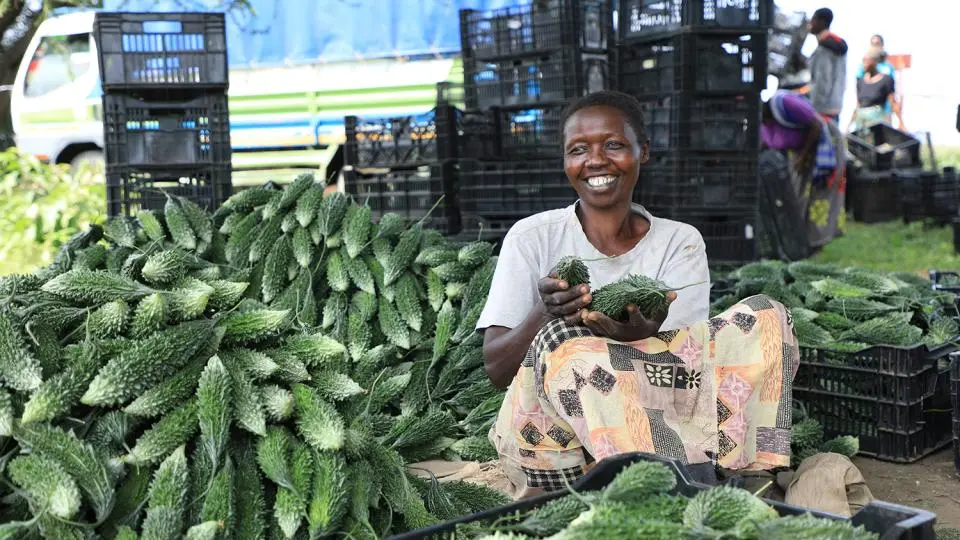
What are bitter gourds and how did their cultivation transform a community in Tanzania?
For decades, Shamkeri farmers faced numerous challenges. They relied on rain-fed agriculture, primarily growing maize and beans, often with uncertain harvests and no clear market for their produce. In most cases, they harvested only about 5% of what was expected.
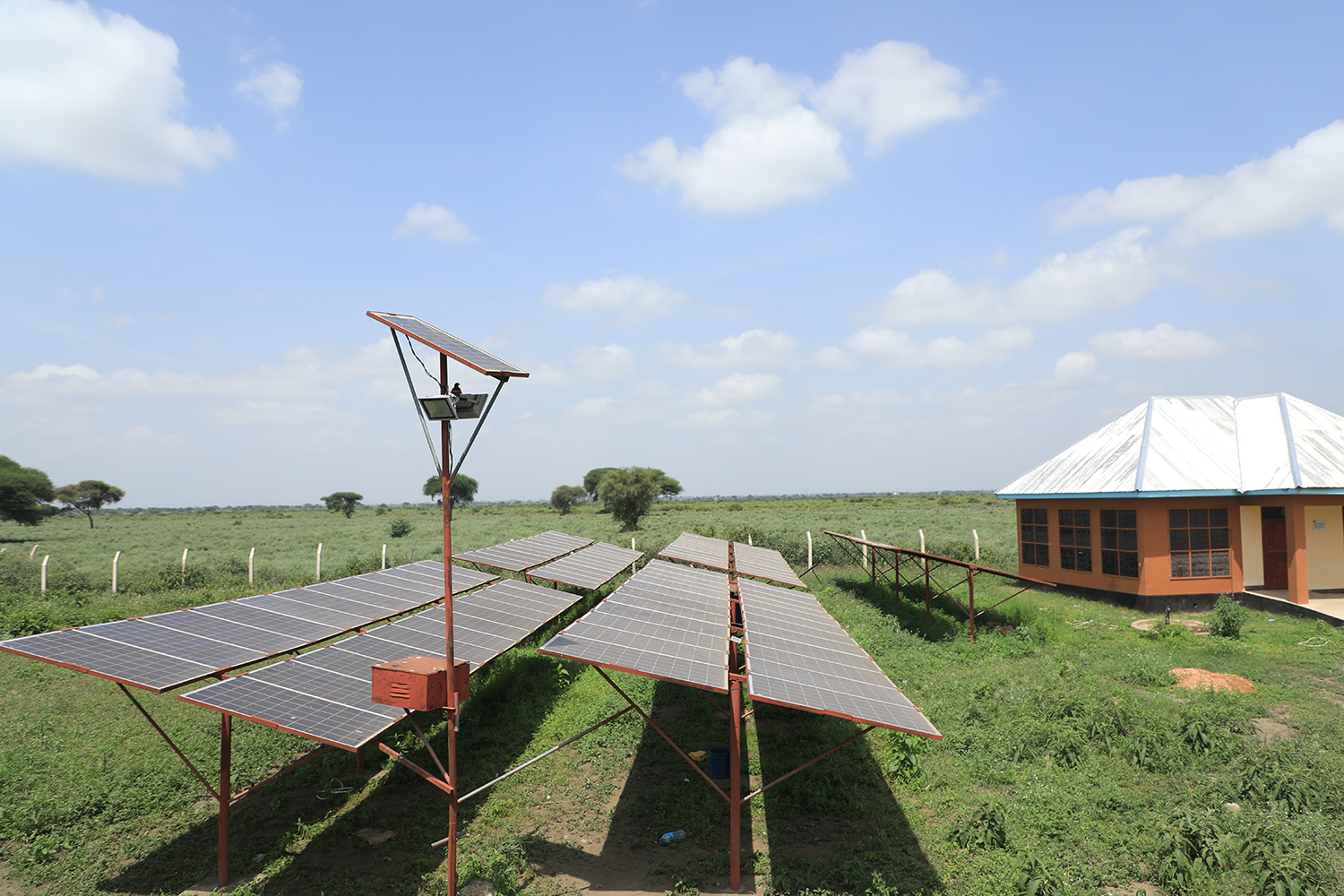
Between 2014 and 2015, Shamkeri farmers approached World Vision, seeking assistance to overcome critical challenges such as: drought, poor access to quality inputs, limited market access, and a lack of entrepreneurship skills. World Vision responded by collaborating with the government to organize the farmers into the formally registered "Shamkeri Producer Association" and provided training on mindset and behavioral changes. Additionally, World Vision staff in Tanzania invested in strategic infrastructure, including drilling a borehole, installing solar panels, constructing a fence, and building a grading shade.
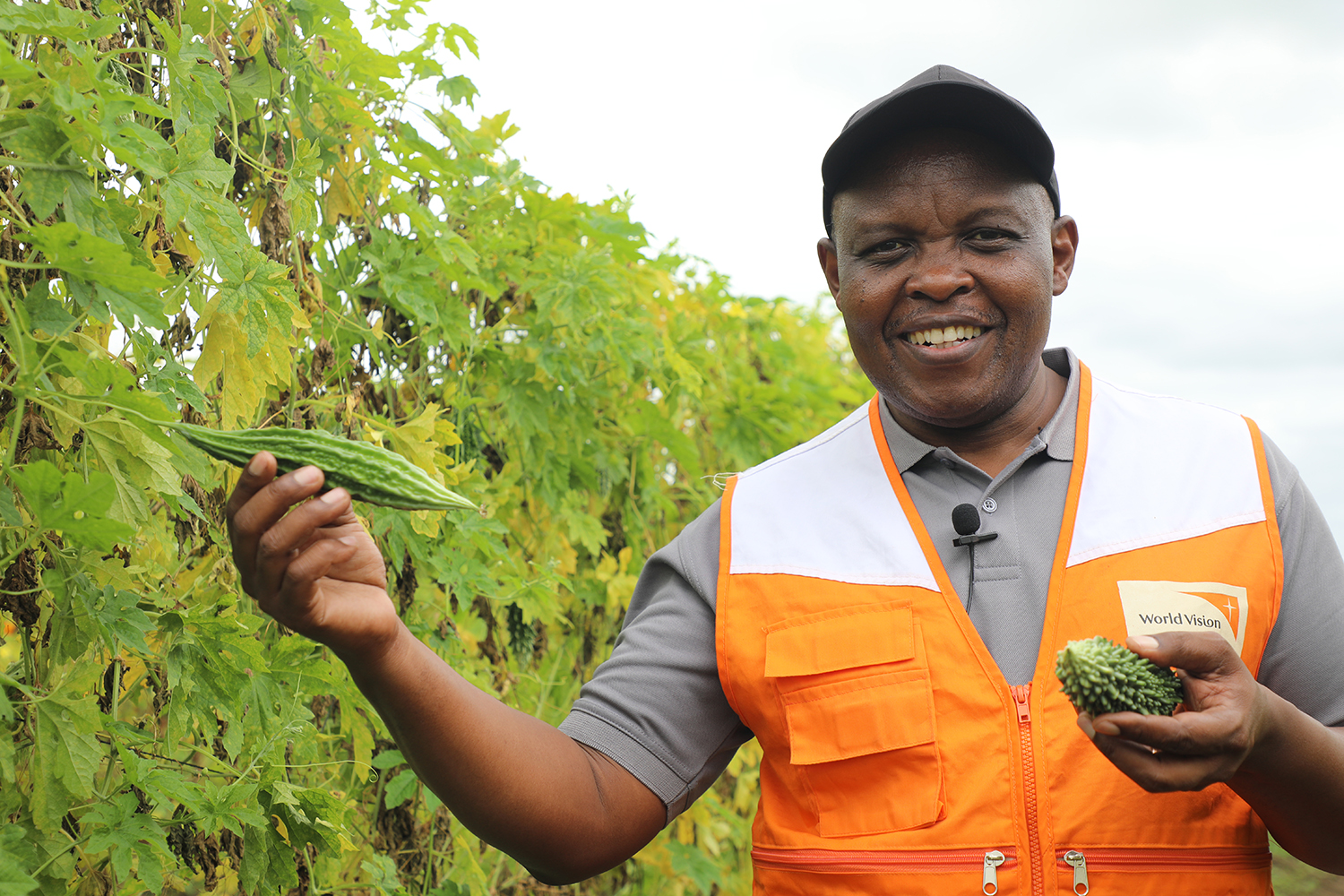
But, in 2020, World Vision and TAHA partnered with a private company, Moonlight, to introduce a new product: bitter gourd for overseas export. Initially, farmers were hesitant to adopt this new crop, but 10 farmers took the risk and cultivated 10 acres in the first season of 2020. The results were impressive. They experienced more than 500% increase in income and profitability compared to other crops like tomatoes, green peppers, and watermelons.
Although the World Vision project phased out in 2021, Shamkeri farmers continued to thrive with support from the government and private sectors such as TAHA, the Moonlight Company, and Vision Fund Tanzania. Three years later, the Producer Association has taken full ownership of the project, including renovation and maintenance.
Join Us to Support these Children